Most local SEO mistakes can be put into one of three buckets: And with nearly half of all Google searches having local intent, and the majority of local searches resulting in an enquiry, I think you’d agree that making sure you’re as visible as you can be when potential customers look for your products and
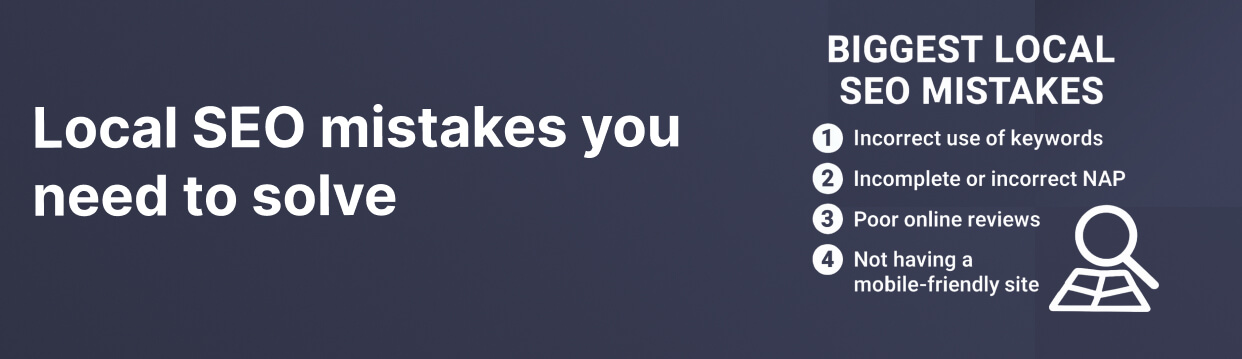
Most local SEO mistakes can be put into one of three buckets:
Problems with Google Business Profiles
Information and content on websites
Technical SEO
And with nearly half of all Google searches having local intent, and the majority of local searches resulting in an enquiry, I think you’d agree that making sure you’re as visible as you can be when potential customers look for your products and services is important.
So let’s see if we can help you fix the more common local SEO mistakes that could be holding you back.
But we know from experience claiming and optimising so many for clients, that many profiles actually go unclaimed.
This is a huge own goal for local SEO.
A claimed, optimised Google Business Profile not only makes you more visible in local search results and Map Packs, it also gives customers
essential information about your business like your reviews, contact details, address, opening hours and more.
Google will automatically create a business profile based on the information you put on your website, so it’s there whether you create it or not.
Given that customers often call businesses directly from the information in their GBP alone, it’s definitely something you need to look at.
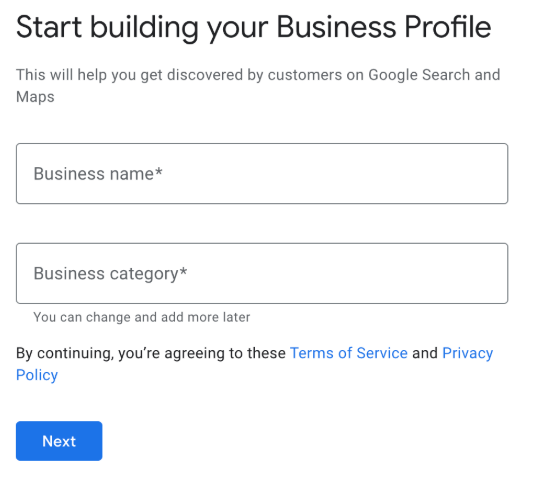
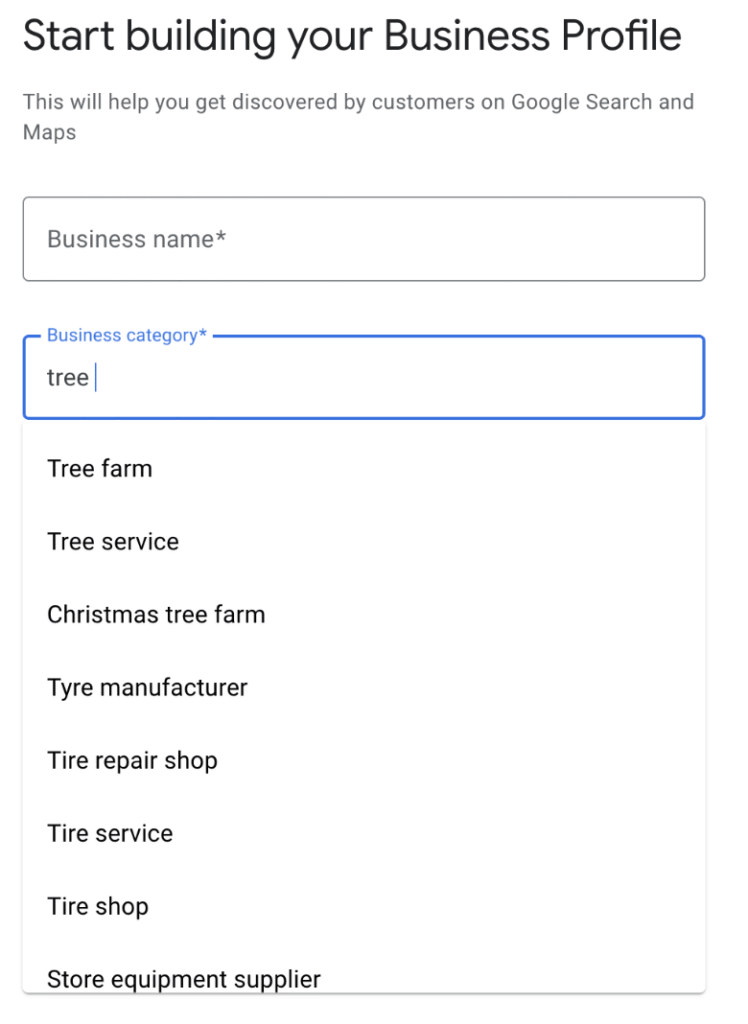
Selecting the wrong categories
Selecting the wrong categories in your GBP can have a couple of negative effects on your marketing.
First, it confuses Google’s algorithm about what your core service is, which means you might not show up for relevant searches related to your products or services.
Second, it can mean you show up for irrelevant searches so the wrong type of people find you.
Be selective and specific with your category selection.
Incomplete GBP details
Google Business Profiles allow you to add all kinds of important information about your business like your address, phone number, opening times,
products, services, promotions etc
Incomplete profiles are likely to be shown in searches compared to those with full information.
Not using all the details available can also result in customers not engaging with your profile and clicking a profile that makes the experience easier for users.
For example not adding a booking or call link can result in your missing out of direct enquiries from your profile.
Not using visuals
A Google Business Profile isn’t just a free online listing for your business, it’s a place where you can actively promote your products and services for free.
One of the best ways to do this is to add visuals (product pictures or images from completed projects) to show how good your service is.
These images are one of the best ways to build trust with potential customers and show off your business.
Ignoring Google Posts
Google prefers profiles that are active and engaging. Stale or out of date posts offer a poorer user experience, so Google is less likely to show them
One of the easiest ways to keep your profile active is to regularly post to keep your profile fresh.
This could be posts about your latest offers, a recent project or an article.
Ignoring reviews
Reviews aren’t just important for your business profile, they also build trust with potential customers.
You’ll know yourself that you’re more likely to trust a business with more, and better, reviews than a business with few or no reviews.
Remember, even negative reviews can be an opportunity to turn things around so be sure to engage with anyone leaving a review.
Content & business info mistakes
Inconsistent NAP
Google uses your business’ Name, Address and Phone number (NAP) to verify you’re a legitimate business and to match you to relevant local searches.
This information is taken from your website as part of your on-page SEO, and Business Profile, but also anywhere else online your business is listed, like business listings or citations.
It’s important this information is consistent because it’s a red flag to Google’s algorithm when it finds different information about your business around the web, and it can result in reduced trust and less visibility.
No local keywords
The key to content with local SEO is matching your content to local search intent.
This means narrowing your content down to local “near me” searches.
If you’re an accountant you’ll need to target location searches based on where your customers are looking.
For example, do local keyword research and target location pages targeting “accountant in Manchester” or “accounting services in St Helens”.
It’s possible your page will be picked up based on your address, but you should make it easy for search engines (and LLMs) to understand where you offer your services.
If you work in multiple locations, you should create landing pages for each service and location you offer to expand your visibility as far as possible.
Don’t create pages for locations that aren’t relevant to you, this could be seen as spammy.
Duplicate content
One of the biggest mistakes we see with local SEO content is websites that create multiple location pages and only change the name of the location on the page, keeping everything else the same.
This risked being flagged as duplicate content by search engines.
Duplicate content is bad because it can confuse search engines about which page on your site is the most relevant, risking the wrong page ranking or neither page ranking.
If you’re creating multiple location landing page, ensure each page is unique to the products, services, reviews and information around that area.
Ignoring local citations
Local citations (or links) are an important part of boosting local authority for your business.
These are links from websites local to your area (business groups, Chamber of Commerce, local media etc)
Having local links and citations pointing to the relevant location page on your website is a signal to search engines and AI that you’re a trusted brand and makes it more likely you’ll be visible for local search.
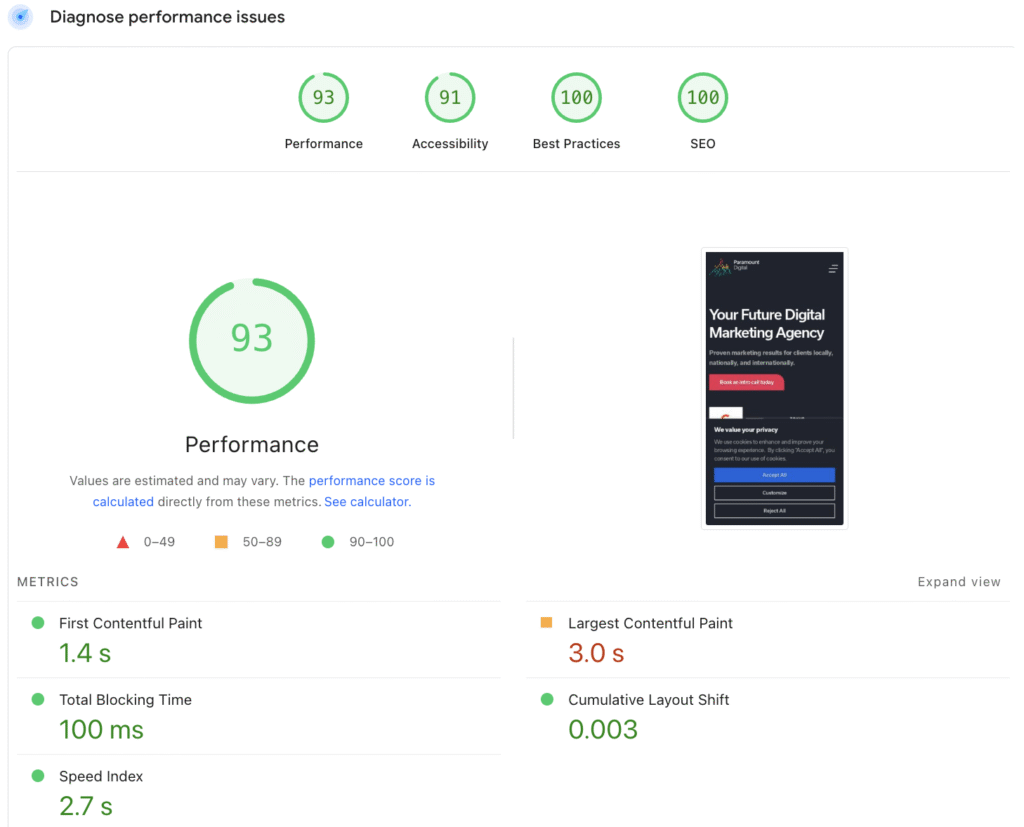
Your technical SEO is what determines how easy it is for search engines and AI bots to find, crawl and understand what your website pages and content is about so they can either rank you in search, or cite you in AI enquiries.
But according to SEMrush, 67% of local businesses have never performed a technical SEO audit.
Which means there are likely problems with your website causing problems.
Poor mobile experience
A whopping 84% of “near me” searches are done on mobile devices.
So your website needs to be optimised for mobile:
Responsive design
Fast loading
User friendly
Designing only for desktop means you’re giving the majority of your website traffic a bad experience, meaning you’re missing out on plenty of enquiries.
No structured data (schema)
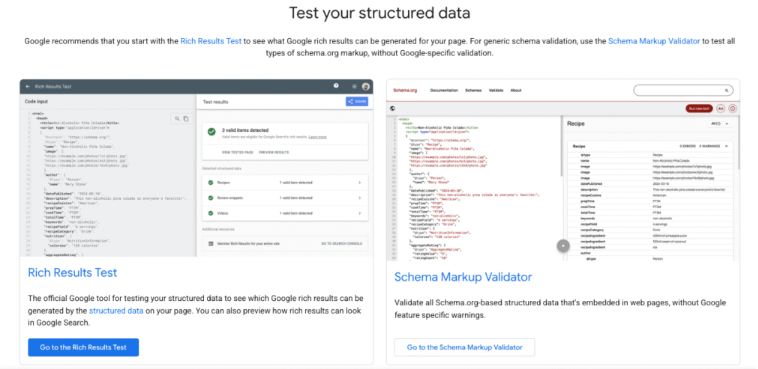
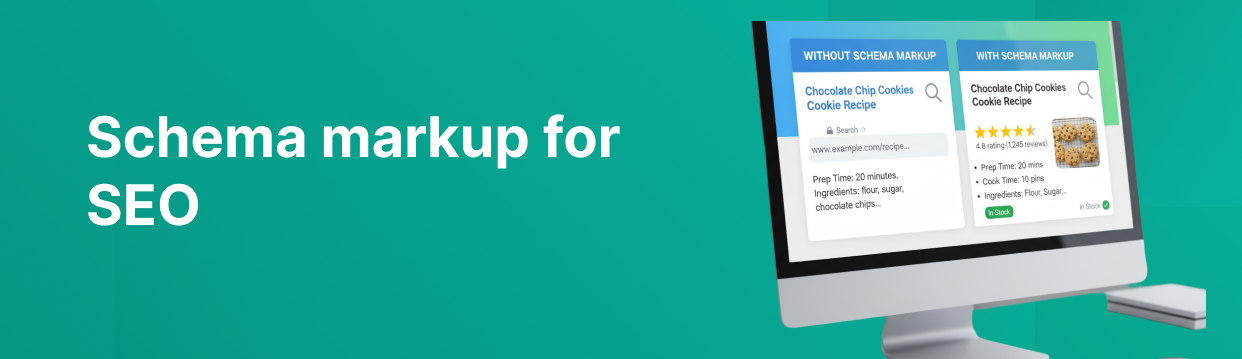
Structured data (schema) helps Google crawlers (and AI bots) understand what your webpages are about more easily.
But because it’s a technical SEO job we see a lot of DIY local business websites without it, and it’s an easy fix.
Local SEO schema helps to give context to your local landing pages, ensuring Google and AI can pull out the information about where you’re based, or what areas you serve, and present you for relevant searches.
Other schema like reviews, product/service, FAQs can give more context and increase your chances of being visible when you need to be.
Not checking performance
A lot of local business websites are treated as static shop windows.
They’re built, content is added, and then nothing happens for a few years until it’s time for a redesign.
But local business websites need to be constantly reviewed to ensure they’re performing as they should.
Search behaviour changes, search algorithms get updated, AI is now changing things even more. Plus, competitors are adapting their own websites to get ahead, they’re not just sitting around.
Which means your website needs to be reviewed regularly to see how you’re ranking, what pages are delivering enquiries (or aren’t) and what content or technical issues are being flagged that need to be improved.
Let’s help you improve your Local SEO
If you recognise some of the Local SEO mistakes we’ve talked about here, then we can help you solve them.
Just get in touch to talk about our Local SEO services and how we can help make you more visible to local customers.
With 30+ years experience in web and 20+ in SEO, Paul has worked agency side and in-house for some of the biggest companies in the UK. As technical director for two SMEs, each with multiple successful websites across various B2B and B2C sectors, Paul has worked on complex SEO campaigns, overseeing technical, content and link building strategies. Since moving to Paramount Digital as head of SEO, Paul has taken more of a commercial view of our SEO projects, ensuring campaigns deliver tangible results to our clients' business growth and success.
Book a 30 minute consultation call with one of our team so we can understand your goals for digital marketing and what services you need within your budget.
2. Let’s get strategic
Once we know where you want to get to, we’ll put a plan in place to get you there. You’ll get a clear outline explaining all the costs and what results you can expect.
3. Let’s start growing your business
Once we’re all pointing in the right direction our expert team will get to work delivering what we’ve promised and getting you the best ROI possible.